-

 Best Seller
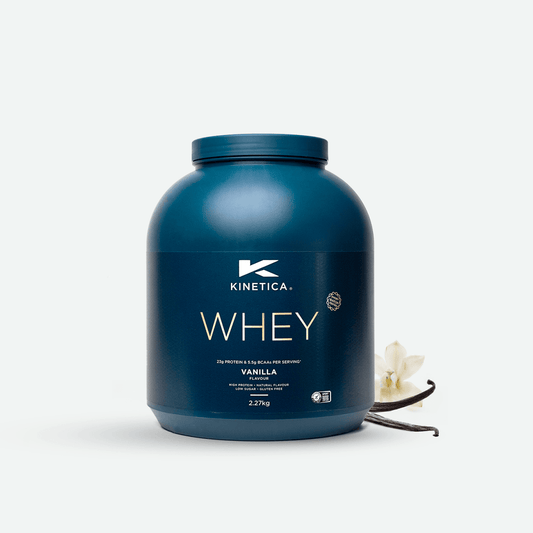
Whey Protein Vanilla 2.27kg
Vanilla / 2.27kgRegular price €99.99Sale price €99.99 Regular priceUnit price per Unit price €1.32 p/serving -


Clear Whey Isolate Orange 500g
Orange / 500gRegular price €46.99Sale price €46.99 Regular priceUnit price per Unit price €2.94 p/serving -

 Best Seller
Whey Protein Chocolate 2.27kg
Chocolate / 2.27kgRegular price €99.99Sale price €99.99 Regular priceUnit price per Unit price €1.32 p/serving -


Whey Protein Chocolate Mint 1kg
Chocolate Mint / 1kgRegular price €58.99Sale price €58.99 Regular priceUnit price per Unit price €1.79 p/serving -


Whey Protein Banana 1kg
Banana / 1kgRegular price €58.99Sale price €58.99 Regular priceUnit price per Unit price €1.79 p/serving -


Whey Protein Vanilla 1kg
Vanilla / 1kgRegular price €58.99Sale price €58.99 Regular priceUnit price per Unit price €1.79 p/serving -


Whey Protein Chocolate 1kg
Chocolate / 1kgRegular price €58.99Sale price €58.99 Regular priceUnit price per Unit price €1.79 p/serving -


Whey Protein Strawberry 2.27kg
Strawberry / 2.27kgRegular price €99.99Sale price €99.99 Regular priceUnit price per Unit price €1.32 p/serving -


Whey Protein Unflavoured 1kg
Unflavoured / 1kgRegular price €58.99Sale price €58.99 Regular priceUnit price per Unit price €1.79 p/serving -

Whey Protein Vanilla 300g
Vanilla / 300gRegular price €23.99Sale price €23.99 Regular priceUnit price per Unit price €2.40 p/serving -

Whey Protein Chocolate Mint 2.27kg
Chocolate Mint / 2.27kgRegular price €99.99Sale price €99.99 Regular priceUnit price per Unit price €1.32 p/serving -

Whey Protein Strawberry 1kg
Strawberry / 1kgRegular price €58.99Sale price €58.99 Regular priceUnit price per Unit price €1.79 p/serving









You’ve viewed 12 of 20 products
Best Sellers
-
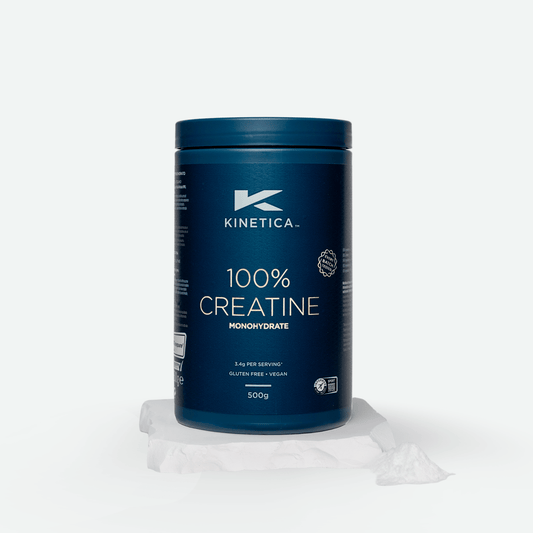
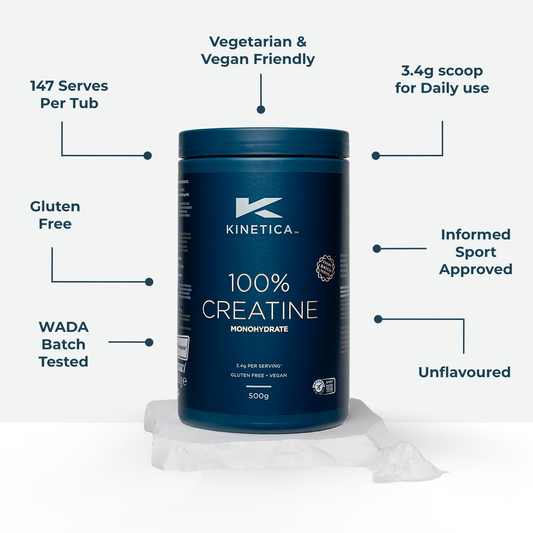 Best Seller
100% Creatine Monohydrate Unflavoured 500g
Unflavoured / 500gRegular price €41.99Sale price €41.99 Regular priceUnit price per Unit price €0.29 p/serving -

 Best Seller
Collagen Powder Joint* & Muscle** Support Complex Berry 350g
Berry / 350gRegular price €36.99Sale price €36.99 Regular priceUnit price per Unit price €1.06 p/serving -
Best Seller
Whey Protein Vanilla 2.27kg
Vanilla / 2.27kgRegular price €99.99Sale price €99.99 Regular priceUnit price per Unit price €1.32 p/serving -
Best Seller
Whey Protein Chocolate 2.27kg
Chocolate / 2.27kgRegular price €99.99Sale price €99.99 Regular priceUnit price per Unit price €1.32 p/serving




Frequently Asked Questions about Whey Protein Powder
What is whey protein?
If you’re new to the world of supplements, you may be wondering what whey protein is exactly.
To put it simply, whey protein is a naturally-occurring protein that is found in milk (hence our emphasis on sourcing only hormone-free, grass-fed milk for our protein products).
So, what makes whey protein so special?
Protein is made up of ‘building blocks’ called amino acids. Your body requires 20 amino acids, of which 11 are produced by the body itself.
This leaves what are known as nine essential amino acids. These are; tryptophan, threonine, isoleucine, leucine, lysine, methionine+cysteine, phenylalanine+tyrosine, valine, and histidine.
Of these amino acids, leucine, isoleucine and valine are classed as branched chain amino acids (BCAAs) - it’s these amino acids that provide the muscle building and repair elements of whey protein powder.
It's because of this that whey protein is considered a ‘complete’ source of protein - it contains all the essential amino acids your body needs to perform at its best.
According to the International Society of Sports Nutrition, a whey protein powder should contain between 20 to 30g of protein per serve and at least 5g of BCAAs per serve. Kinetica Sports’ whey protein powders meet these requirements.
For more information, read more about what is whey protein and why you need it.
Guide - You can also learn more from our whey protein buying guide.
What is grass-fed whey?
Grass-fed whey protein is a type of protein supplement that is made from the milk of grass-fed cows. The cows are raised on pastures where they are allowed to graze on grass and other natural vegetation, as opposed to being fed with grain or other feed that is commonly used in conventional farming. You can read further about what is grass fed whey and why is it important.
How is whey protein powder made?
As whey protein is derived from milk, it is obtained during the process of making cheese.
During the process, the whey protein is separated from another protein that is also present in milk - casein.
These two proteins are present in milk at a ratio of 20:80 (20% whey, 80% casein).
A series of steps are taken to completely separate the whey which is eventually subjected to spray drying. This creates the whey protein powder that you consume.
Who should take whey protein powder?
Whey Protein can be consumed by a variety of people, not just elite athletes. So, if you are a weekend warrior, play field sports or someone on a weight loss programme, taking whey can be beneficial for supporting your goals.
Whey Protein can also play a pivotal role in maintaining lean muscle as we age. There are studies to show that adequate protein intake is also important in preventing Sarcopenia, which age related muscle loss and strength. You can read our blog on how to decide on the best whey protein for you and your goals. We also have a blog outlining the 5 benefits of whey protein for women.
You can also learn more about what's the difference between whey protein and lean protein powder.
What are the benefits of having whey protein?
Whey Protein has many benefits, such as aiding recovery following exercise. It is an important macronutrient for repair when the muscle has become damaged, and it is also essential for muscle growth.
Increasing protein intake when injured is important for preventing muscle loss. Individuals on a weight loss programme should increase their protein intake significantly above the RDA of 0.8g per kilogram of bodyweight. Aiming for 0.3g-0.5g per kilogram of body to maximise muscle growth.
The timing of protein intake is important and ideally should be spread evenly across each meal. The type of protein and the total amount of protein is also important. These a commonly knowing as the 3 T’s. You can learn more about when is the best time to take a protein shake.
Is whey protein powder good for you?
Yes. If you’re looking to improve your fitness, physique and general physical performance, whey protein should be an essential part of your diet.
As a complete source of protein containing all the essential amino acids your body needs, adding whey protein to your diet will not only help your body recover from workouts, but will build and repair muscle - helping you achieve your ‘why’.
Can whey protein help with weight gain?
To gain weight, one needs to increase energy intake over energy expenditure. This means eating more calories than you would expend. If you want to increase lean body mass as opposed to fat mass, it is important to increase your protein and carbohydrate intake and not your fat intake.
Kinetica Oatgain is the ideal product for getting additional calories into your diet. It contains of 600kcals per 160g serving. Oat gain contains 80g over carbohydrates while the protein content is 45g per serving. The sugar content is 6.4g, which is just over a teaspoon of sugar.
Although, nutrition plays a key role when it comes to building lean mass, it is important to stimulate the muscle by stressing it, this occurs by performing resistance training that will help you become stronger and fitter.
Aiming for 1.6g – 2.2g of protein per kg of bodyweight will help with building lean muscle. Read more about what are the best supplements for building muscle.
What are the different types of whey protein?
Although you’ll often see the term whey protein used in the generic sense, there are in fact a number of different types of whey protein. These are:
- Whey protein concentrate.
- Whey protein isolate.
- Whey protein hydrolysate.
Each of these types of protein is obtained in a slightly different way. Each type also has slightly different properties.
For example, whey concentrate is considered to be the ‘least processed’ type of whey protein, and contains plenty of nutrients. Whey protein isolate is a more refined type of whey protein and as a result, contains lower levels of lactose. Finally, whey protein hydrolysate is a type of ‘predigested’ form of whey protein, which means it is digested very quickly by your body.
Here at Kinetica Sports, we ensure that our whey protein powders include a blend of all three types of whey protein. This ensures that our protein powders contain the best characteristics of each whey protein type.
Why choose Kinetica Sports' whey protein powder?
Kinetica Sports’ whey protein powders are made up of a high-quality protein blend that contains 23 g of protein per 30g serving.
What’s more, our whey protein is sourced from grass-fed cows which means that the amino acids are naturally occurring - nothing added.
Product quality and safety is very important to us at Kinetica Sports. That’s why we batch test our whey protein, and other products within our range independently via Informed Sport. This means that there are no banned substances contained in our products.
To add further peace of mind, we are also members of ESSNA (European Specialist Sports Nutrition Alliance) to ensure our products comply with best practices. In fact, Kinetica Sports was shortlisted as one of the best post-workout products at the ESSNA 2020 Awards.
More information on Whey Protein
-

Whey Protein Buying Guide
Whey Protein Buying Guide Whether you’re a weekend warrior, hitting the gym every day, or simply looking to augment your diet, the right whey protein supplements can have a...
-

What is Clear Whey?
What is Clear Whey? It’s well understood that protein plays an important role in our health and wellbeing by supporting our immune system, muscle growth, repair and retention, and...
-

What's the Difference Between Whey Protein & Lean Protein Powder
What's the Difference Between Whey Protein & Lean Protein Powder? Incorporating additional sources of protein into your diet can have a big impact on your training - whether you’re a...


Explore Our Whey Products
Whether it’s an intense workout, long cardio session, strength training or a match day, Kinetica Sports’ grass-fed, hormone-free whey powders are on-hand for a convenient protein hit to help you achieve your ‘why’. With a range of products available, here’s how to choose the right one for you.
Whey Protein Powder
Whey protein powder is a key element in building lean muscle mass and repairing muscles after intense workouts. Our best-in-class whey powders have been carefully researched, developed and crafted to help you meet your daily protein needs whilst boosting your potential. Hit your fitness and development goals with Kinetica Sports’ range of whey protein, and explore our protein recipes for tasty ways to enjoy it!
Lean Active
If you’re looking for something a little lighter, our Lean Active protein powder is lower in carbs and calories, whilst still providing the same quality as our whey protein powder. Kinetica Sports’ Lean Active is high in fibre and has green tea extract for additional wellness benefits. It’s ideal for those looking to maintain muscle whilst reducing calorie intake.
Clear Whey
We know that some people prefer fruity flavours rather than traditional whey powder flavours, so we created Clear Whey Isolate for a delicious alternative to a milky protein shake. Available in a citrus orange flavour, our clear whey has a juice-like texture which is more refreshing and easier to digest. Perfect for post-summer workouts!
Check out our blog on the difference between whey protein and lean protein powder for more information.
Protein Shakes
Busy lifestyle? We’ve got you covered. Our range of premade Whey Protein Milkshakes have 25g of protein per bottle and are ready to go whenever you need them. With a smooth, creamy texture and a variety of flavours to choose from, they’re perfect for those who struggle to get enough protein from whole foods or prefer a fuss-free alternative to traditional protein powders.
Premium Grass-Fed Whey Protein Flavours
Our whey protein products are available in a range of delicious flavours including; vanilla, chocolate, strawberry, chocolate mint, banana, and wild raspberry. If you want to keep things simple, we have unflavoured whey protein powder, too.
Kinetica Sports’ whey products are designed around you, and are available in a series of sizes including 300g, 1kg, 1.8kg, 2.27kg, and 4.5kg sizes.
Kinetica Sports’ Whey Protein Powder Nutrition:
We’ve worked closely with nutritionists, external advisors and people like you who are passionate about fitness to create whey powders that are truly uncompromising. Here are the facts about our whey protein powder:
- 22/23g of protein per 30g serving.
- 97% protein blend (consisting of whey protein concentrate, whey protein isolate, and hydrolysed whey protein concentrate).
- Only 1.8g of fat per 30g serving.
- 5.54g of branched chain amino acids per 30g serving.
- Derived from grass-fed, hormone-free cow’s milk.
- Gluten free.
- Suitable for vegetarians.
We’re as serious about creating premium whey products as you are about achieving your fitness goals. Not sure which to choose? Read our Whey Protein Buying Guide.
Whichever Kinetica Sports protein product you purchase, you can be assured that it’s been batch tested to comply with WADA's (World Anti Doping Agency) exacting standards and Informed Sport approved too.